Are Superfans Driving the Culture of Sports Forward?
5 November 2026
In recent years, the notion of a "superfan" has gained considerable traction within the sports community. Superfans are not just casual viewers; they embody a deep emotional and social investment in their teams. They attend games, participate in online discussions, create content, and often become ambassadors for their chosen sports. This article delves into how superfans are driving the culture of sports forward, examining their impacts on fan engagement, team dynamics, and broader cultural narratives.

The Rise of the Superfan
Defining the Superfan
Superfans are characterized by their unwavering loyalty and passion. They often engage with their teams beyond the typical spectator experience. This can include:- Attending games regularly
- Following players on social media
- Buying merchandise
- Participating in fantasy leagues
- Engaging in online forums and discussions
In essence, superfans contribute to creating a vibrant community that extends the life of sports beyond the playing field.
The Role of Social Media
Social media platforms like Twitter, Instagram, and TikTok have amplified the voices of superfans. These platforms serve as a stage for fans to share their perspectives, highlight their experiences, and connect with fellow enthusiasts. For example, during significant game moments, superfans often trend hashtags or create memes that capture the emotions of the game's twists and turns. This digital presence not only fosters a sense of community but also invites new fans to join the conversation.
The Impact of Superfans on Team Dynamics
Creating a Home-Field Advantage
Superfans contribute significantly to the atmosphere of home games. Their enthusiasm can create an electrifying ambiance that boosts team morale. A study from the University of California suggests that players perform better in front of a passionate crowd. The psychological advantage of having a dedicated fanbase can be pivotal during crucial moments of a game.Engaging New Fans
Superfans play a critical role in engaging new fans. Their passion often translates into mentorship, as they share knowledge about the sport, its history, and the nuances that make it special. This can be seen in youth programs where seasoned fans volunteer their time to coach or create awareness about the sport. Their enthusiasm can inspire younger generations to embrace the sport, ensuring its longevity.Influencing Team Culture
Beyond attendance, superfans can influence a team's culture. Teams like the Green Bay Packers or the Boston Red Sox thrive on traditions that superfans uphold. These traditions can range from pre-game rituals to celebratory events that enrich the sporting experience. When fans feel connected to these traditions, they are more likely to invest emotionally in the team's success.
Superfans and the Evolution of Sports Marketing
The Shift Toward Personalization
With the rise of superfans, sports marketing has evolved from broad-based campaigns to more personalized approaches. Teams are now leveraging data analytics to understand fan preferences better. For instance, if a team knows that a particular segment of superfans is interested in exclusive merchandise, they can tailor offerings accordingly. This shift not only increases sales but also enhances fan satisfaction.Content Creation and Brand Ambassadorship
Superfans are increasingly being recognized as brand ambassadors. Their genuine love for the sport translates into authentic content that resonates with audiences. For example, YouTube channels run by superfans can attract significant viewership, providing teams with a new avenue for marketing. Brands that collaborate with superfans often find that their messages reach a more engaged audience, as these fans have built trust within their communities.Crowdsourcing and Fan Engagement
Some teams have successfully implemented crowdsourcing strategies to engage superfans. By soliciting input on merchandise designs, game-day experiences, or even player selections, teams can cultivate a sense of ownership among their fanbase. This not only enhances the emotional connection fans have with the team but also ensures that teams are making decisions that align with fan expectations.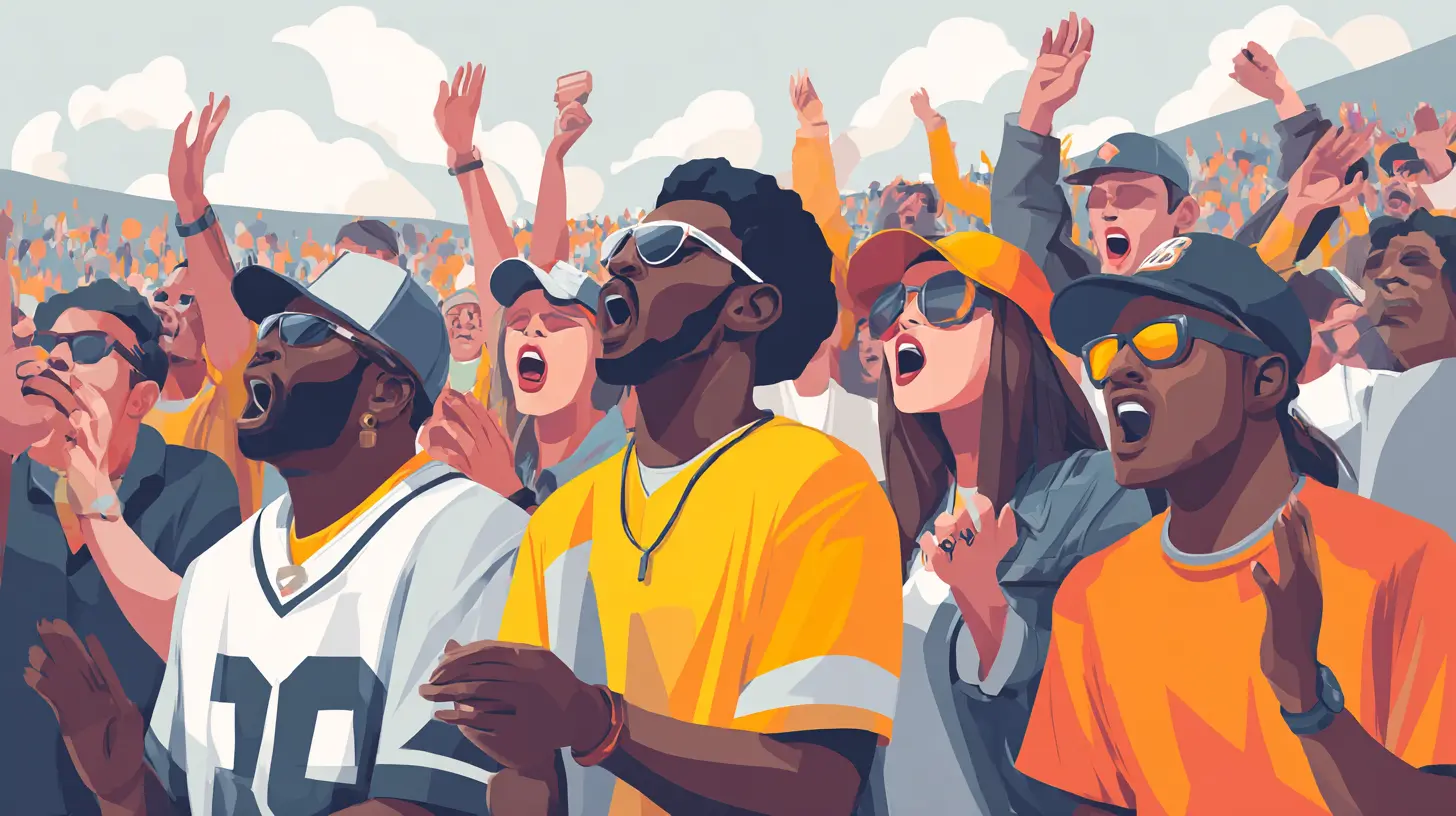
The Broader Cultural Narrative
Superfans as Cultural Icons
Superfans have transcended the realm of sports and become cultural icons. Figures like the "Rally Squirrel" at St. Louis Cardinals games or the "Buffalo Bills Mafia" are examples of how fan culture can encapsulate broader societal themes. These narratives often reflect regional pride or a sense of community, elevating the status of sports in cultural discussions.Addressing Misconceptions
There are misconceptions surrounding superfans, such as the idea that they are merely obsessive or irrational. In reality, superfans often possess a deep understanding of the sport and its intricacies. Their commitment often stems from personal stories or experiences that connect them to the sport on a profound level. Recognizing this can lead to a more nuanced appreciation of how superfans contribute to the sports culture.The Trade-Offs of Superfan Culture
The Dark Side of Passion
While the enthusiasm of superfans can be beneficial, it can also lead to challenges. Instances of toxic behavior, such as harassment or aggression towards opposing fans or players, can tarnish the overall experience. Teams and leagues must proactively address these issues by promoting inclusivity and respect within the fan community.Balancing Commercialization and Authenticity
As teams recognize the value of superfans, there's a risk of over-commercialization. When fan experiences become overly transactional, the authenticity that defines the superfan experience can diminish. Teams should strive for a balance, ensuring that while they capitalize on superfans' passion, they do not alienate the very community they seek to engage.
Best Practices for Engaging Superfans
Foster Community
Creating spaces-both physical and digital-where superfans can interact is crucial. Whether through fan clubs, social media groups, or in-person meet-ups, cultivating community can enhance the fan experience. Teams should facilitate these interactions by hosting events or providing platforms for fans to share their stories.Leverage Technology
Technology can enhance the fan experience significantly. From mobile apps that offer exclusive content to virtual reality experiences that allow fans to feel closer to the action, embracing technological advancements can engage superfans in meaningful ways. Teams should invest in technology that not only entertains but also enriches the fan connection.Encourage Participation
Teams should encourage superfans to participate in decision-making processes. This could involve soliciting feedback on merchandise designs, game-day experiences, or community initiatives. When fans feel their voices matter, they are more likely to deepen their investment in the team.Promote Inclusivity
To foster a healthy fan culture, inclusivity must be a priority. Teams should actively promote messages of respect and support for all fans, regardless of background. This can include outreach initiatives aimed at underrepresented groups, ensuring that the culture of sports is welcoming and diverse.Conclusion
Superfans undeniably play a vital role in driving the culture of sports forward. Their passionate engagement enhances the overall experience for everyone involved, from players to casual fans. As teams and leagues continue to navigate the complexities of modern sports, recognizing the value of superfans will be essential. By fostering community, leveraging technology, and promoting inclusivity, the future of sports culture can be bright and vibrant, fueled by the undying spirit of superfans.
all images in this post were generated using AI tools
Category:
Sports And SocietyAuthor:

Onyx Frye